Mastering Gemista: Adaptable Greek Stuffed Vegetables for Any Occasion
Greek cuisine is renowned for its fresh ingredients, vibrant flavours, and the art of transforming simple produce into extraordinary dishes. Among these culinary treasures,
gemista (pronounced "yeh-mee-STAH") stands as a true testament to this philosophy. More than just a recipe, gemista is a celebration of abundance, a dish that epitomises comfort, versatility, and the soul-warming essence of Greek cooking. Whether you're a seasoned chef or a home cook looking to explore new horizons, mastering these adaptable Greek stuffed vegetables promises a rewarding culinary journey.
What Exactly is Gemista? Unpacking a Greek Culinary Treasure
At its heart,
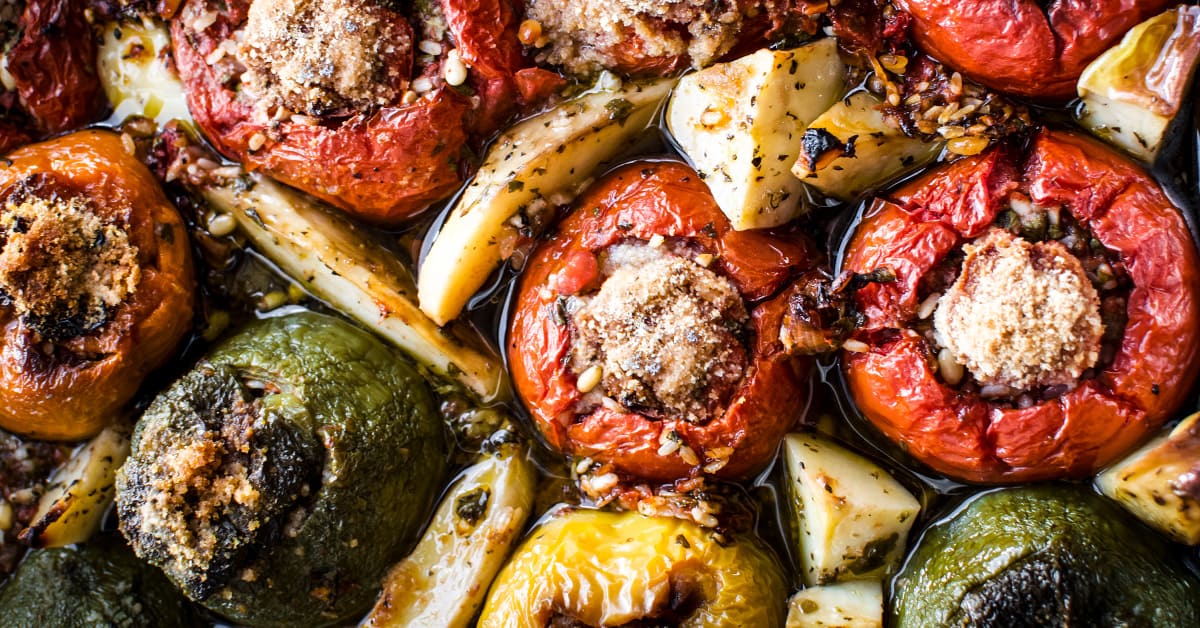
gemista is a traditional Greek dish meaning "filled" or "stuffed." It typically features a colourful array of vegetables – most commonly tomatoes, bell peppers (capsicums), zucchini, eggplants, and sometimes potatoes – hollowed out and generously filled with a savoury, aromatic mixture. While the core concept is simple, the depth of flavour and the heartwarming satisfaction it delivers are anything but.
The stuffing is the soul of gemista. It usually comprises a blend of rice (which cooks to tender perfection within the vegetables), finely chopped onions and garlic, and an abundance of fresh herbs like mint, parsley, and dill – key players in Greek flavour profiles. Many traditional recipes also include ground meat, often beef or lamb, which adds a rich, hearty dimension. However, the dish is equally beloved in its vegetarian form, where the emphasis shifts entirely to the vegetables and herbs. Once filled, these vibrant parcels are baked until the vegetables are meltingly tender and the filling is perfectly cooked and infused with all the glorious juices.
Interestingly, while quintessentially Greek, the concept of stuffed vegetables is not unique. Similar dishes can be found across the Mediterranean and beyond, such as "légumes farcis" in France, showcasing a universal appeal for this wholesome, flavourful preparation method.
Beyond the Plate: Why Gemista Captures Hearts (and Stomachs)
The widespread adoration for
gemista isn't just about its delicious taste; it's about the multitude of benefits and the sheer adaptability it offers. This isn't merely food; it's an experience, a memory in the making.
- A Symphony of Flavours and Textures: Each bite of gemista offers a delightful contrast. The soft, tender outer layer of the baked vegetable yields to a rich, savoury, and aromatic filling. The natural sweetness of the tomatoes and bell peppers, combined with the earthy notes of zucchini or eggplant, perfectly complements the herbaceous, sometimes meaty, rice stuffing. The "big Greek flavours" come alive, creating a truly unforgettable culinary experience.
- Wholesome and Nutritious: Packed with fresh vegetables, rice, and a bounty of herbs, gemista is inherently a healthy and nutritious meal. It's an excellent source of vitamins, minerals, and dietary fibre. Opting for a vegetarian version further amplifies its plant-based goodness, making it a fantastic choice for a balanced diet.
- Unparalleled Adaptability: Gemista is the ultimate chameleon of Greek cuisine. It shines as a festive centrepiece for gatherings and special occasions, thanks to its impressive presentation, yet it's equally at home as a comforting weeknight meal. It's incredibly forgiving, allowing for ingredient swaps and personal touches, making it ideal for leveraging seasonal produce or catering to dietary preferences. For a deeper dive into the classic preparation, check out our guide on Gemista: The Ultimate Greek Stuffed Vegetables Recipe Explained.
- Make-Ahead & Leftover Friendly: One of gemista's most practical virtues is its make-ahead convenience. You can prepare and refrigerate the stuffed vegetables until you're ready to bake them, making entertaining stress-free. Furthermore, leftovers are a culinary gift; they often taste even better the next day as the flavours meld and deepen, providing a delicious and effortless lunch or dinner option.
- Family-Friendly Appeal: Loved by both kids and adults, gemista is a fantastic way to get everyone to enjoy their vegetables. The inviting aroma and the hearty filling make it a universally appealing dish that brings families to the table.
Crafting Your Signature Gemista: The Art of Customization
The true beauty of
gemista lies in its flexibility. While there are classic preparations, the dish truly invites creativity and personal expression. This adaptability allows you to tailor it to your taste, what's in season, and what's available in your pantry.
Choosing Your Canvas: The Vegetables
The reference context highlights tomatoes, bell peppers, zucchini, eggplants, and potatoes as common choices. When selecting your vegetables, always aim for freshness and quality – this is paramount for the best flavour.
- Tomatoes: Large, firm, ripe tomatoes are ideal. Their scooped-out flesh is often incorporated into the stuffing, adding moisture and natural sweetness.
- Bell Peppers: Any colour works beautifully, each offering a slightly different nuance. Red, yellow, and orange tend to be sweeter, while green offers a more traditional, slightly bitter note.
- Zucchini & Eggplant: Choose medium-sized varieties that are firm and free of blemishes. Their mild flavours absorb the stuffing's aromatics wonderfully.
- Potatoes: Often cut in half and partially hollowed, potatoes add a satisfying starchy element to the pan, cooking in the vegetable juices.
- Beyond the Basics: Don't hesitate to experiment with other vegetables like large onions, or even zucchini flowers for a more delicate touch, as seen in some regional variations.
The Heart of the Dish: The Stuffing Variations
This is where
gemista truly becomes "yours." The key is a balance of textures and robust flavours.
- Rice: The context notes that "any rice" works, be it long-grain or short-grain. Short-grain rice, like arborio or medium-grain Greek rice, tends to absorb more liquid, resulting in a creamier, more cohesive filling. Long-grain rice will offer a fluffier texture. Choose based on your preference for the final texture.
- Meat or Meatless:
- With Meat: Ground beef or lamb is traditionally used, adding a rich, umami depth. Ensure it's well-seasoned and browned lightly before mixing with other stuffing ingredients.
- Vegetarian & Vegan: A meatless gemista is equally satisfying. You can enhance the richness by adding finely chopped mushrooms, cooked lentils, pine nuts for crunch, or even a small amount of crumbled feta (if not strictly vegan) to the filling. The abundance of herbs and tomato-based liquids ensures a flavourful outcome. Specifically for those vibrant summer ingredients, read more about Greek Gemista: Flavorful Stuffed Tomatoes & Peppers, A Summer Classic.
- Herbs & Aromatics: This is non-negotiable for authentic Greek flavour. Fresh mint, parsley, and dill are a classic trio, providing brightness and aromatic complexity. While dried herbs can be used in a pinch, fresh herbs offer an unparalleled vibrancy. Onions and garlic form the aromatic foundation, providing depth.
- Spices: Beyond salt and pepper, a touch of dried oregano is common. Some recipes, especially those with meat, might include a pinch of cinnamon or allspice for a warm, subtle sweetness that complements the savouriness beautifully.
- Olive Oil: The quality of your olive oil matters. Extra virgin olive oil lends its fruity, peppery notes to the entire dish, contributing significantly to the overall flavour. Don't be shy with it!
- Moisture & Flavour Boosters: The scooped-out flesh and juice from the tomatoes are crucial. You can also add a splash of vegetable broth or water to the baking pan to keep the vegetables moist and allow the rice to cook perfectly.
Mastering the Gemista Method: Tips for Success
While
gemista is described as a "forgiving recipe," a few key techniques can elevate your results from good to unforgettable.
- Hollowing with Care: For tomatoes, gently scoop out the pulp and seeds, reserving the juicy flesh. For bell peppers, cut off the top, remove the seeds, and trim any membranes. For zucchini and eggplants, slice them lengthwise or in half, then carefully scoop out the flesh, leaving a sturdy shell. This scooped-out flesh can be chopped and added to your stuffing, minimising waste and maximising flavour.
- Prepare a Flavourful Base: Sautéing your onions and garlic until translucent, and browning ground meat (if using) before adding the rice and other stuffing ingredients, builds a robust flavour foundation. Don't cook the rice fully at this stage; it should be just combined with the other ingredients, as it will continue to cook and absorb liquid in the oven.
- Don't Overfill: Rice expands significantly during cooking. Leave a small gap (about ½ to ¾ inch) at the top of each vegetable when filling to prevent it from spilling over and ensure the rice cooks evenly.
- Strategic Arrangement: Arrange the stuffed vegetables snugly in a baking dish. This helps them cook evenly and prevents them from toppling over. Add any hollowed-out potatoes or extra vegetable pieces around them. Pour the reserved tomato juices, a little water or broth, and a generous drizzle of olive oil into the bottom of the pan.
- Baking to Perfection: Cover the baking dish with foil for the initial part of baking to steam the vegetables and cook the rice through. Remove the foil for the last 30-45 minutes to allow the vegetables to soften, brown slightly, and caramelise around the edges. The baking time will vary depending on the size and type of vegetables, typically ranging from 1.5 to 2 hours at a moderate temperature (e.g., 180-200°C / 350-400°F). The vegetables should be very tender, and the rice fully cooked.
- The Importance of Resting: Once out of the oven, resist the urge to dive in immediately. Let the gemista rest for at least 15-20 minutes. This allows the flavours to meld further and the filling to set, making for a more enjoyable eating experience.
Serve your perfectly baked
gemista warm or at room temperature, perhaps with a dollop of creamy Greek yogurt, a sprinkling of crumbly feta cheese, and a side of crusty bread to soak up the glorious pan juices. A simple green salad makes for a refreshing accompaniment.
In conclusion,
gemista is far more than just a recipe for stuffed vegetables; it’s an invitation to experience the heart and soul of Greek hospitality. Its remarkable adaptability, wholesome ingredients, and deeply satisfying flavours make it a dish that truly fits any occasion. Whether you stick to tradition or infuse it with your unique culinary vision, mastering gemista is about embracing the joy of cooking and sharing a taste of pure, unadulterated Greek comfort. So gather your freshest produce, unleash your creativity, and prepare to fall in love with this unforgettable culinary classic.